Tokenized Real Estate 2.0 – Expanding Access to Global Property Markets Through Blockchain
June 21, 2025
Blockchain technology has begun to reshape the financial industry, but its evolution within real estate markets marks one of the most promising shifts in global investment accessibility.
Tokenized Real Estate 2.0 moves beyond experimental pilots and one-off luxury listings; it now signals a maturing infrastructure where fractional property ownership is feasible and increasingly strategic for investors seeking diversified, borderless exposure to global property markets.
Through the issuance of digital tokens backed by physical assets, blockchain enables real estate to become a liquid, tradeable, and globally accessible financial product. This development is opening the doors to a previously unapproachable asset class for a broader base of investors while also laying the foundation for regulated managed investment accounts that seamlessly integrate digital and traditional assets.
Content
From Tangible to Tokenized: Breaking Down Real Estate Barriers
Traditional real estate investment comes with high entry costs, limited liquidity, and regional constraints. High-net-worth individuals and institutions have long enjoyed the benefits of property appreciation, rental income, and portfolio diversification. Yet, for most retail investors, real estate remains out of reach due to capital requirements, local legal barriers, and slow transaction processes.
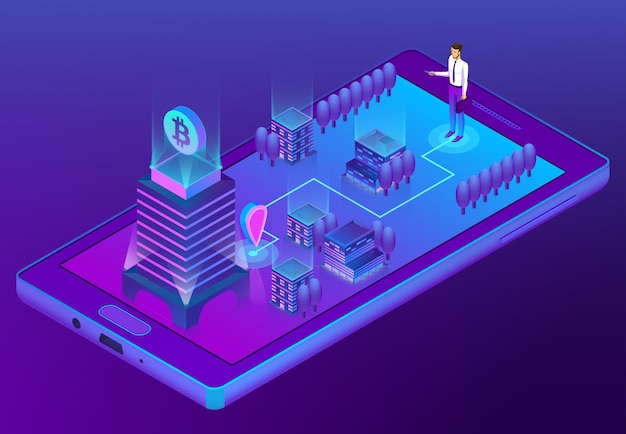
Tokenization addresses these pain points by representing real-world property assets—whether commercial towers in Dubai or beachfront villas in Spain—as digital tokens on a blockchain. These tokens reflect ownership rights, income distribution, or equity in a specific property or portfolio, and can be fractionalized, making it possible for investors to gain exposure to global markets with as little as a few hundred dollars.
Importantly, these tokens are not purely speculative digital assets. They are tied to tangible, income-producing real estate, bringing a layer of stability and inflation resistance that’s traditionally missing from other digital asset classes.
Tokenized Real Estate 2.0: Moving Toward Maturity
The early phase of tokenized real estate saw pilot projects and limited liquidity. Tokenized Real Estate 2.0, however, introduces critical upgrades:
- Compliance-first Infrastructure: Platforms now prioritize regulatory clarity by aligning with securities laws and AML/KYC requirements, attracting institutional interest.
- Improved Liquidity Pools: Secondary trading markets have emerged, enabling peer-to-peer sales or participation in regulated digital asset exchanges.
- Interoperability with DeFi protocols: Investors can now collateralize real estate tokens for borrowing, lending, or earning yield across decentralized platforms.
- Smart contract automation: Lease payments, dividends, or interest distributions can be coded and executed transparently, reducing administrative overhead.
These advancements mean tokenized property is no longer just an idea—it’s becoming a practical, well-structured asset class with risk profiles that can be quantified, managed, and included in modern investment portfolios.
Expanding Access to Global Markets
For many investors, access to foreign real estate is encumbered by language barriers, legal complexity, capital controls, and logistical friction. Tokenization removes these barriers by enabling permissioned, borderless transactions on digital platforms that comply with international financial standards.
Real estate markets in high-growth regions—such as Southeast Asia, Eastern Europe, and parts of Africa—can now attract global capital through fractional token offerings. Rather than purchasing an entire unit, investors can own 0.01% of a building in Ho Chi Minh City or Nairobi, diversifying across geographies previously too difficult or costly to enter.
This access enables both retail and institutional participants to hedge against local market volatility by strategically allocating to international real estate—all without the burden of direct property management or citizenship-based restrictions.
Implications for Long-Term Financial Planning
Tokenized real estate offers more than accessibility; it offers utility. In an environment marked by inflationary pressures and shifting macroeconomic policies, digital property tokens offer:
- Inflation hedging: Real estate typically appreciates alongside inflation, while rental yields provide consistent income. This value is passed proportionally to token holders.
- Diversification: Fractional ownership across multiple markets and property types—residential, commercial, industrial—can mitigate risk.
- Accessibility to passive income: Managed real estate funds using tokenized structures allow investors to receive rental distributions or capital appreciation without direct involvement.
- Estate and succession planning: Tokens can be seamlessly transferred or programmed with smart contract-based inheritance protocols, improving estate management.
Bridging to Managed Investment Accounts
Institutional-grade platforms are now bridging tokenized assets into managed investment accounts. These services blend the convenience of digital assets with the regulatory rigor of traditional finance.
For example, a managed account might allocate 15% to tokenized real estate across five countries, balanced against equities, bonds, and commodities. Smart contracts execute rebalancing rules and cash flow distribution automatically, with custodial partners ensuring secure asset storage.
This hybrid structure allows investors to benefit from real estate’s historically strong risk-adjusted returns, without leaving the safety and governance of a regulated financial framework.
Challenges and Considerations
Despite the rapid progress, tokenized real estate is not without challenges:
- Regulatory fragmentation: Jurisdictions vary widely in how they classify and regulate tokenized property.
- Valuation standards: Consistent pricing models for fractional real estate assets remain under development.
- Custodial security: Ensuring secure storage of private keys or tokenized securities is critical for investor trust.
- Secondary liquidity depth: While liquidity is improving, some markets still experience limited trading volume.
Addressing these areas is crucial to ensuring that tokenized real estate can scale sustainably and attract a wider class of institutional capital.

Ready to Explore Tokenized Real Estate the Smarter Way?
Whether you’re a retail investor seeking international diversification or a wealth manager building next-gen portfolios, tokenized real estate offers both the stability of brick-and-mortar assets and the innovation of digital finance.
Kenson Investments delivers strategic guidance, risk analysis, and curated access to regulated digital assets—including tokenized real estate. Call now to learn how the insight-driven approach of digital asset management consultants at the company can help you integrate next-generation property assets into your long-term financial plan.
About the Author
The author is a digital finance researcher and strategist with a deep focus on blockchain innovation, tokenized assets, and decentralized market infrastructure. With experience analyzing emerging investment models and global regulatory trends, they provide insights into how digital transformation is reshaping wealth creation, access to real assets, and portfolio diversification.
Disclaimer: The information provided on this page is for educational and informational purposes only and should not be construed as financial advice. Crypto currency assets involve inherent risks, and past performance is not indicative of future results. Always conduct thorough research and consult with a qualified financial advisor before making investment decisions.
“The crypto currency and digital asset space is an emerging asset class that has not yet been regulated by the SEC and US Federal Government. None of the information provided by Kenson LLC should be considered as financial investment advice. Please consult your Registered Financial Advisor for guidance. Kenson LLC does not offer any products regulated by the SEC including, equities, registered securities, ETFs, stocks, bonds, or equivalents”

Travis is a cryptocurrency blogger and investor. He has been blogging about cryptocurrencies since 2017 and considers himself an expert in the space. Travis also invests in cryptocurrencies and believes that they will become more widely accepted as time goes on.